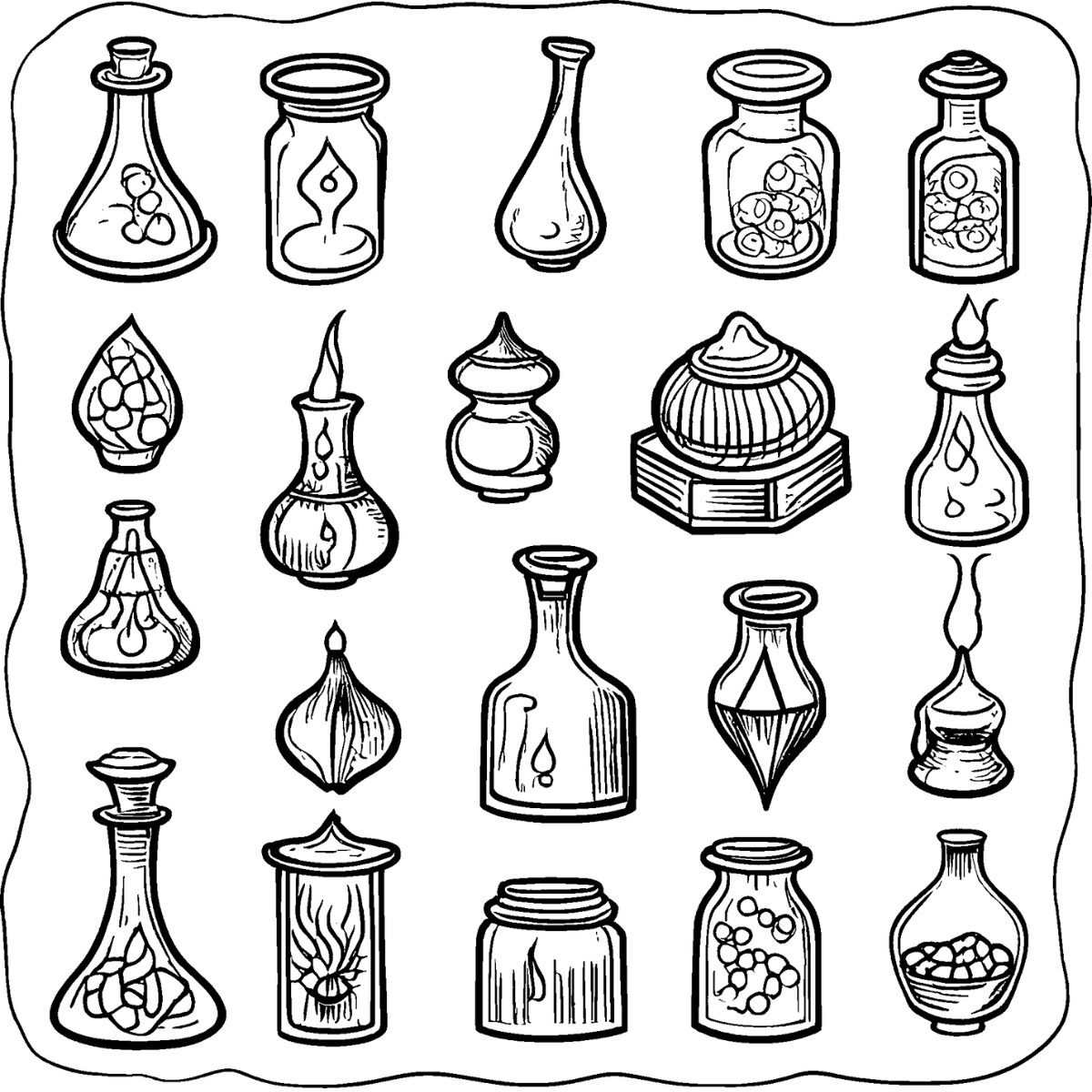
The memories came in fragments, and at first I was certain they were dreams. But persistently they appeared before my mind’ s eye in vivid reality.
The memories came in objects, without any context. as if they had been isolated and photographed in a whitebox. I saw them one at a time. Each image of an object would slide through into my central vision, then move to the right as another image moved in from the left to take its place.
I loved these images that held such memories. Yet the more I examined these, the more I realized that the objects had in some way replaced the memories. I remembered only the detailed object, often having difficultly recalling how the object came to be, and what it represented to me. Soon the object itself was the memory. I had no memory. Only objects seen in the mind’s eye.
I could order them chronologically, by colour, by name, by form, by social resonance. But I had somehow lost the ability to find where they came from or what they meant to me in my personal life. They had become public signifiers, their meaning amplified by the general consciousness, and this process effectively wiped my mind clean from any other connection with the object. It belonged not to me but to the general group of humanity at large.
Part of my task was to bring them all back to myself, and to return them to their personal meaning. If there were such a thing as personal meaning to begin with.
Perhaps I had birthed these objects through my experience in order for them to become free agents in the world, to act as nodes of communication. It could be that the only way to really infuse any object with power was to bring it into being in this way, and to offer the personal relationship with it as a divine sacrifice. If the offering was accepted, the personal memory was erased and the collective memory was activated, giving the object its nascent magical power and influence.
It was a sorcery. And the spells created by the images were to keep us all in thrall to the processes of our dominant culture.
Some of us, researchers, archivists, artists, keepers of the ancient ways, mystics, poets, were watching this happen. We participated in the creation of the new objects, and of the language of objects as it spoke through our new collective voice. But our participation was different in this way: we did as much as we could to become aware of our thoughts and feelings as it happened. We were joyful when the collective adopted one of the objects as their own, and we were despondent when a beautifully created object was left abandoned by the crowd in favour of something simpler, or lesser.
Our collective art was to infuse the crowd with objects of our own meaning-selves that could resonate their own purpose with such power that they changed the interior landscapes of the individuals in the crowd. Even better would be to inspire these individuals to join us as researchers, archivists, artists, keepers of ancient ways, mystics, or poets. Those were the groups that had been set up for the various types of involvement.
The researchers would go out into the field and bring back new or changed information. They would immerse themselves in the processes at hand. It was dangerous work sometimes. They also had been trained to report back on their findings. There were always two reports – one in diary form for the future, one in detailed direct “court reporter” form for the HQ. The diary was always informal. Sometimes researchers found that reporting wasn’t accurate enough for their needs, and so reported back through ritual, art or poetry.